

Wear Referrals provides veterinary dentistry for referred dogs and cats. Led by Rebecca Key, RCVS Advanced Practitioner in Dentistry, the service supports a range of dental and oral conditions, including dental trauma, fractured and worn teeth, chronic inflammatory oral disease, restorative dentistry and selected oral surgery cases.
Patients have access to dedicated dental equipment and imaging, and all dentistry procedures are supported by our specialist-led Anaesthesia and Analgesia team.
Why refer dentistry cases to Wear Referrals?
Dentistry cases at Wear are managed with access to dedicated dental equipment, imaging, specialist-led anaesthesia and multidisciplinary support within our referral hospital.
Advanced veterinary dentistry
Cases are assessed and treated by a clinician with advanced postgraduate training and recognised expertise in veterinary dentistry and oral surgery.
Cutting-edge dentistry equipment
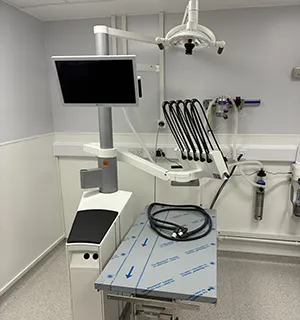
Our dentistry service uses dedicated veterinary dental equipment and dental radiography to support assessment and treatment planning.
Specialist-led anaesthesia and analgesia
All dentistry procedures are supported by Wear’s specialist-led anaesthesia and analgesia team.
Multidisciplinary referral care
For relevant oral surgery and oncology cases, our dentistry, soft tissue surgery and oncology teams can work closely together.
When to refer a dentistry case
We welcome referrals for dogs and cats requiring further investigation or advanced treatment of dental and oral conditions.
Cases suitable for referral may include:
- fractured or traumatised teeth
- dental extractions
- teeth that may be suitable for root canal treatment
- fractured deciduous or puppy teeth
- severely worn teeth
- feline chronic gingivostomatitis (FCGS)
- canine chronic ulcerative stomatitis (CCUS)
- enamel defects and restorative dentistry
- impacted or unerupted teeth
- oral cysts, fistulas and palatal defects
- selected oral and maxillofacial surgery cases
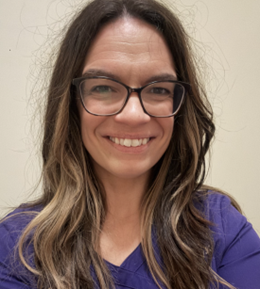
Meet Rebecca Key, RCVS Advanced Practitioner in Dentistry
Rebecca Key leads the dentistry service at Wear Referrals and is an RCVS recognised Advanced Practitioner in Dentistry. Rebecca graduated from the University of Glasgow in 2011 and began her career in mixed practice before moving into small animal practice.
She completed a dentistry-specific internship in Scotland in 2020 and later completed a Postgraduate Certificate in Dentistry and Oral Surgery.
In 2024, Rebecca became an RCVS recognised Advanced Practitioner in Dentistry.
Rebecca has a particular interest in veterinary dental education and continues to develop her clinical knowledge within dentistry and oral surgery. Rebecca gets great satisfaction from improving patient welfare through good dental care.
Outside work, Rebecca spends much of her time with her husband and young family, alongside Chutney, their red Labrador.
Fixed prices for dentistry
We offer a range of fixed price procedures for dentistry, providing cost transparency, peace of mind and a smooth referral process for vets and clients.
Dentistry conditions and procedures we support
Dental trauma and fractured teeth
Teeth are made from three main structures: enamel, dentine, and pulp. Trauma to the hard, shiny enamel on the outside of the crown can cause exposure of the more sensitive tissues contained within – this is painful at the time, and over time will cause changes both within the tooth and in the bone surrounding it.
Fractured teeth can never be left – they require anaesthetised assessment with x-rays to determine the extent of damage and to make a treatment plan. These teeth may need to be extracted, or certain teeth may be candidates for root canal treatment, where the pulp is removed and replaced with an inert material.
Fractured deciduous (puppy) teeth
Despite puppy teeth being temporary in the mouth, fractured teeth still require appropriate treatment. These deciduous teeth have wide pulp cavities and are just as painful if they are fractured. These teeth will still become inflamed and infected, and leaving them in situ can have significant negative consequences for the permanent tooth following behind, so these should always be extracted if fractured.
Worn teeth
Teeth will naturally become worn down over time. However, certain toys, chews and other objects can speed this process along too quickly and cause dental sensitivity and even exposure of the pulp cavity. These teeth should be assessed under anaesthetic with radiographs to assess these teeth and treat them if required.
Canine Chronic Ulcerative Stomatitis (previously CUPS)
Canine Chronic Ulcerative Stomatitis (CCUS) is a painful inflammatory condition affecting the tissues of the mouth. Dogs may develop severe inflammation where oral tissues come into contact with plaque-covered tooth surfaces and can show signs including difficulty eating, drooling, bad breath and behavioural changes associated with pain.
Assessment may include blood tests, dental radiography, professional dental cleaning and biopsies where appropriate. Treatment is tailored to the individual patient and may involve dental treatment, home care and medical management.
Feline Chronic Gingivostomatitis (FCGS)
Feline Chronic Gingivostomatitis (FCGS) is an intensely painful condition for domestic cats. It is understood to be an immune mediated condition with multiple contributing factors. These patients are often very sore and have noticeably inflamed mouths. They often require blood tests and virus testing, then either partial or full mouth extractions with follow-up visits to manage their condition and ensure they are comfortable and out of pain.
Restorative dentistry and enamel defects
Damage or developmental defects affecting enamel can expose the sensitive dentine beneath the tooth surface and make affected teeth more prone to plaque accumulation and discomfort.
We assess affected teeth under general anaesthesia using dental radiographs before determining the most appropriate treatment. Where suitable, damaged surfaces can be prepared, sealed and restored using composite material to protect exposed dentine and create a smoother tooth surface.
Patients with enamel defects may require ongoing dental home care and future monitoring.
Oral surgery and oncology
Treatment of fistulas, palatal defects, impacted or unerupted teeth, and oral cysts all require expertise in dentistry and oral/maxillofacial surgery. Our oncology, soft tissue surgery and dentistry departments work closely together to provide the very best care for our oral surgery and oral cancer patients.
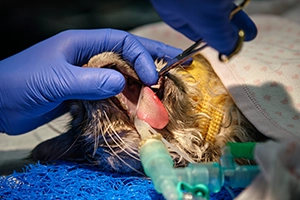
Dentistry supported by specialist-led anaesthesia
All dentistry cases at Wear are supported by our highly experienced specialist-led anaesthesia and analgesia team.
Find out more about anaesthesia and analgesia at Wear Referrals
How to refer a dentistry case
As a referral hospital, we can only accept cases directly from vets. Pet owners need to get a referral to Wear via their vet.
There are two ways to refer a dentistry case to Wear:
- Call us directly for urgent support or in an emergency
- Complete a website form including information on the pet’s history, any radiographs taken and an image of their mouth.
Refer a dentistry case
For non-urgent dentistry referrals, please complete the form on the link below.
What happens when you refer a dentistry case?
Once a dentistry case is referred to us, our client care team will call the client within 24-48 hours of receiving the referral and book the next available appropriate appointment.
If the referral is received via a website form, an email confirmation of the booked appointment will be sent to the primary care practice.
Following discharge of the patient and once all the results have been received and reported, a referral report will be emailed to the primary care practice.
Information for pet owners
If you are concerned about a dental or oral problem affecting your dog or cat, please discuss with your primary vet and ask them to complete the referral form with us at Wear Referrals.
Dentistry FAQs
Can I discuss a dentistry case before referring?
Yes, referring vets can send us advice requests by calling us directly, just like our other services.
What information should I send with a dentistry referral?
Referring vets should send the pet's history, any radiographs they have taken, and photos of the patient's mouth if possible (mouth closed, lips pulled back, both sides of the mouth and the front).
Do you treat fractured teeth in dogs and cats?
Yes, we treat fractured teeth in both species. This may be restoration, extraction, or endodontic treatment depending on which tooth is affected and how it has been fractured.
Do fractured puppy teeth need treatment?
Yes, these teeth are painful, and infected and inflamed deciduous teeth may cause issues for the emerging adult tooth beneath. These teeth should be extracted promptly.
Are dentistry procedures performed under general anaesthesia?
Yes - all dentistry procedures are performed under general anaesthetic. At Wear Referrals, the safety of our patients is of paramount importance hence why we have a team of specialists in anaesthesia and analgesia who are responsible for creating tailored anaesthetic and pain relief plans for all of our referral patients.
Can pet owners refer directly to Wear?
No, they need to be referred by their primary care practice.