

Helping Cats Feel Calm at Home and During Their Stay at Wear Referrals
At Wear Referrals, we understand that visiting a veterinary hospital can be a stressful experience for cats. Our team is committed to creating the calmest and most comfortable environment possible, helping to reduce anxiety and support your cat's wellbeing throughout their visit.
We are proud to hold Silver Cat Friendly Clinic accreditation from the International Society of Feline Medicine (ISFM), recognising our commitment to providing high standards of feline care. We consider every stage of your cat's journey with us, from arrival and hospitalisation through to discharge, aiming to make their experience as calm, comfortable and fear-free as possible.
Alongside treatment for their specific medical condition, there are many ways we help reduce stress during your cat's stay.
How We Create a Cat-Friendly Hospital Environment
Calming support when needed
For particularly anxious cats, we may recommend calming medication before their visit or during hospitalisation to help them feel more relaxed and comfortable.
A quieter arrival experience
We provide a separate area for cats within our reception and waiting spaces whenever possible. Blankets are also available to cover carriers, helping cats feel more secure and reducing exposure to unfamiliar sights and sounds.
Time to settle in
Where appropriate, we allow cats time to acclimatise to their surroundings before examination. This gives them the opportunity to become familiar with the consulting room and veterinary team at their own pace.
A calming atmosphere
Throughout the hospital, we use feline pheromone products such as Feliway® and calming diffusers to help promote relaxation. Our team also avoids strong perfumes and scented products when handling feline patients.
A dedicated cat ward
Cats admitted to the hospital stay in a cat-only ward designed with their comfort in mind. Features include:
- Dimmed lighting to create a calmer environment
- Kennels designed to minimise visual contact with other cats
- Hiding areas to encourage a sense of security
- Elevated resting spaces where appropriate and safe
- Calming background music to promote relaxation
Quiet spaces for rest and recovery
Routine procedures, such as blood sampling and catheter placement, are performed away from the cat ward whenever possible, allowing the ward to remain a peaceful environment for resting and recovery.
Food and litter preferences
We recognise that every cat has individual preferences. We offer:
- A range of wet and dry complete diets
- Tempting treats to encourage eating during hospitalisation
- Different litter types where appropriate
- Individually tailored feeding plans based on your cat's needs
Gentle, cat-friendly handling
Our team uses cat-friendly handling techniques designed to minimise fear and discomfort.
Minimising discomfort
To make procedures as comfortable as possible, we frequently use local anaesthetic creams (EMLA®) or cooling sprays (Ethycalm®) before blood sampling or intravenous catheter placement.
Recognising pain and anxiety
All members of our clinical team are trained to recognise signs of pain, stress and fear in cats. We use recognised feline assessment tools, including the Feline Grimace Scale, to help us identify discomfort and ensure appropriate pain relief and support are provided.
Specialist-led feline care
As a multidisciplinary referral hospital, our feline patients benefit from collaboration between our specialist-led services. This allows us to consider both your cat's medical needs and emotional wellbeing throughout their treatment and recovery.
We also send out a pre visit questionnaire which we encourage owners to complete to tell us about their cat's favourite foods, bedding, toys or routines, and any other helpful information to help cats feel more settled during their stay.
Helping Your Cat Feel More Relaxed at Home
Many of the principles that help reduce stress in hospital can also be applied at home. These measures are beneficial for all cats and can be particularly important for those with stress-related conditions, including certain forms of cystitis, over-grooming and behavioural concerns.
Consider a pheromone diffuser
Using a feline pheromone diffuser, such as Feliway®, may help create a more reassuring environment for some cats.
Make travel less stressful
Before travelling, spray your cat carrier with a feline pheromone product approximately one hour before use and allow it to dry before your cat enters the carrier.
Provide enough litter trays
A useful rule is to provide:
One litter tray per cat, plus one extra tray.
Trays should be located in quiet areas away from food and water.
Keep litter trays comfortable and clean
- Fill litter trays generously with litter where possible.
- Consider lower-sided trays for elderly cats or those with arthritis.
- Remove soiled litter daily.
- Perform a full litter change and clean regularly.
Separate food, water and litter
Cats generally prefer food, water and toileting areas to be separate. Position these resources in quiet locations around the home.
Reduce competition in multi-cat households
Where there is more than one cat, provide multiple feeding stations and separate resources. Cats may prefer to eat in different rooms or at different times to avoid feeling pressured by other household cats.
Encourage good hydration
Fresh water should always be available. Many cats prefer:
- Wide ceramic or glass bowls
- Multiple water stations around the home
- Water fountains
Provide safe retreats
Cats benefit from having quiet areas where they can withdraw from household activity, children and other pets when they choose.
Create vertical space
Many cats feel safer when they can observe their environment from above. Cat trees, shelves and elevated resting places can help cats feel more secure.
Provide hiding places and escape routes
Cats generally feel more comfortable when they have options. Enclosed beds, hideaways and furniture with multiple routes in and out can help reduce tension, particularly in multi-cat households.
Introduce changes gradually
Whether introducing a new pet, welcoming a new family member or carrying out home renovations, gradual introductions and careful planning can help reduce anxiety.
Maintain familiar routines
Cats are creatures of habit. Even small changes to the location of food bowls, litter trays or sleeping areas can affect some individuals. Where possible, try to keep daily routines predictable and consistent.
Encourage natural behaviours
Provide opportunities for activities cats naturally enjoy, including:
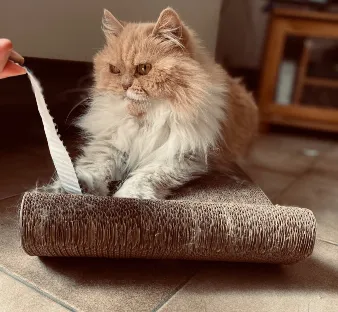
- Scratching posts and scratching pads
- Interactive toys
- Hunting and chasing games
- Climbing opportunities
- Resting and hiding spaces
By meeting these behavioural needs, you can help support both your cat's physical health and emotional wellbeing.
At Wear Referrals, our goal is not only to provide exceptional specialist veterinary care but also to ensure that every feline patient experiences the kindest, calmest and most comfortable environment possible. If you have any concerns about your cat's stress levels, behaviour or hospital visits, our team will be happy to discuss ways we can help.