

Content - Page 8
- Details
A one-year rotating internship allows you to work within our state-of-the-art referral practice, developing your clinical skills and knowledge by working alongside world-renowned specialists here at Wear Referrals.
Following an induction period, our interns rotate through the various core and elective disciplines that can include:
- Internal medicine
- Soft tissue surgery
- Orthopaedics
- Anaesthesia
- Emergency and critical care
- Neurology
- Oncology
- Cardiology
- Diagnostic imaging
A discipline-specific internship is a one-year training post in a particular specialism. It’s a chance to significantly develop clinically and professionally by working closely with and learning from specialists and residents in your chosen field. It is usually a bridge between rotating internships and residency posts but is not an essential step in speciality training.
For more information, please go to https://www.linnaeusgroup.co.uk/careers/internships.
- Details
Downloadable internal medicine information sheet PDFs:
- Details
What are the signs my pet might have cancer?
The signs of cancer can be very variable, as it depends which part of the body is affected. Any symptom that persists for a long time (such as a cough or diarrhoea) could be a sign of cancer and it is important to have these things checked by your vet. Skin cancers are particularly common in dogs and it is important to get any lump or bump that you notice checked by your vet. In general, the sooner cancer is found, the more we can do about it.
What should I do if I think my pet has cancer?
If you are worried that your pet has cancer, then you should talk to your vet as soon as possible. They may be able to put your mind at rest straight away, or they may advise some further tests (see below).
How is cancer diagnosed in pets?
The first step in the diagnosis of a cancer is to take some samples from it – cancer can only be diagnosed by a pathologist in a laboratory. Although we can be suspicious of cancer based on the physical appearance of a lump or based on an x-ray this cannot be a definite diagnosis. There are numerous ways that we can take samples and there are pros and cons of each method. The simplest method is using a fine needle aspirate to take a small sample – this method is non-invasive and usually does not require any sedation or anaesthetic. However, the sample size is very small and sometimes does not give us an answer. It also cannot grade a tumour, which is how we know how aggressive it is. The second option is to take a biopsy from the mass, either surgically or using a special type of core needle. Using these methods mean that we get more tissue so a more robust diagnosis. The down side is that they usual require sedation or anaesthesia as they are more invasive.
What types of cancer treatment might my pet have?
Every cancer is different, which means that every treatment plan needs to be individualised to the patient. The main types of treatment we have for cancer are surgery, radiotherapy, and chemotherapy. We may recommend one treatment by itself or a combination of treatments, depending on the type of cancer, the grade and the stage.
What can the side effects for cancer treatment be?
As we cannot explain to animals why their treatment is making them feel ill, we do everything that we can to minimise the side-effects of any treatment that we give your pet. We try and find the correct balance between treating the cancer and improving your animal’s outcome versus the side-effects that come with treating the disease.
The most common side effects we can see with every chemotherapy drug are stomach upsets and suppression of the immune system. The latter can make a patient more susceptible to infections although we always monitor the white blood cell count closely with blood tests to make sure this does not happen. We also have several medications that we can prescribe that can be used to make the patient feel better such as anti-nausea medication. One of the most worrying side effects in people is hair loss. However, hair loss is quite rare in dogs and cats
How long will my pet be in hospital for?
We realise that a diagnosis of cancer is a worrying time for you and that keeping your pet away from home is the last thing that any of us want. We endeavour to perform all of our investigations and treatments on an out-patient status.
If you pet is coming in for a scan, then they will be with us for most of the day. They should not be fed in the morning as they will likely require some form of sedation or anaesthesia. Pets that are visiting the hospital for chemotherapy are usually with us for 2-3 hours. Please check with the clinician whether withholding food is required as most patients do not require sedation for chemotherapy.
I’m worried about putting my pet through chemotherapy, is it as uncomfortable for them as it is for humans?
Chemotherapy literally means ‘treatment with drugs’ and there are many different forms that we can use. People often have very negative perceptions of chemotherapy due to experience from human medicine however one of our main aims in veterinary oncology is to maintain or improve our patient’s quality of life with treatment. We do not tend to use the same high doses of chemotherapy that are used in human oncology which means that we do not see the same severe side effects.
- Details
Medical oncologists specialise in advising on all aspects of cancer treatment, including surgery and radiotherapy, managing the cancer patient throughout their treatment journey, delivering and developing systemic anti-cancer therapies and managing the acute complications of cancer and its treatment from diagnosis through to cure/survivorship and/or end of life care. This means the oncologists work very closely with the other disciplines in the hospital.
At Wear Referrals, every patient your vet refers with a suspected cancer diagnosis is seen by a Veterinary Oncologist. Each Veterinary Oncologist has undergone further specialist training in diagnosing and treating cancer in dogs and cats.
The team at Wear have many combined years of experience treating various cancers in dogs and cats. We also have a highly trained team of nurses who provide top-level, compassionate care to our patients. Most dogs who undergo cancer treatment come in with waggy tails and are very happy to see the team regularly!
Our top priority is to maintain or improve the quality of life in our oncology patients. Cancer is a frightening topic, and many owners are understandably concerned about what a cancer diagnosis means for their pets. We are here to help owners and their pets through the cancer journey to try and make it as painless and stress-free as possible. From advanced surgical techniques through chemotherapy to palliative care, we are here to make sure owners feel confident in the decisions for their pet.
At Wear Referrals in County Durham, we have a strong, multi-faceted team of specialists who can look after your pet at every stage of their treatment. Initial consultations will be one of the oncology team but radiologists, internal medics, anaesthetists and soft tissue surgeons can all be involved in cancer diagnosis and treatment. The veterinary specialists are supported by dedicated teams of nurses, many of whom have undergone further nurse-specialist training. This strong team makes Wear unique in the north of England for veterinary referrals.
What happens during the patient journey?
Here is an excerpt from the diary of Jasper the Labrador, who visited us at the hospital recently for a scan:
6am - Woke up, went for a wee. Very excited for breakfast but didn’t get any! Tried to trip up Mum to remind her but didn’t work. Feel cross and hungry.
8am - Car ride! Makes up for the lack of breakfast.
8.30am - I have come to a new place. The garden is amazing as it smells of lots of other dogs. Had an excitement wee. This must be a new park! Mum was talking to someone but did not pay much attention.
9.30am - There are lots of people at this new place who want to have cuddles! At least three different people have given me cuddles so far. No food, though, which is disappointing. I have seen other doggies too, and they all look happy.
10.30am - One of the nice people has put a needle in my leg. It hurt a little but got another cuddle afterwards.
11am - Unexpected nap.
12pm - Not sure what happened there; I was having another cuddle then felt very sleepy. Only just woken up again.
12.15pm - FOOOOODDDD!!!!!!!!!!!!!!!!!
2pm - Went out for a walk with one of the new humans. Had a wee. Still feel a bit drowsy from the nap. This garden does smell awesome.
3pm - went out to the garden again with new human and found mum. I didn’t realise she had left as I was having so many cuddles. Mum talking to new human again but sounds boring. Mum has brought more treats!
4pm - Back home again. Feel a bit tired – today has been very exciting.
5pm - FOOOOOOOOODDDDDD!!!!!!!
6pm – Out for a wee and a poo.
7pm – What a day! Time for a snooze on the sofa. Hopefully will go back to the new place soon.
- Details
One of the main concerns for owners and vets when treating an animal with cancer is that they have a good quality of life. However, many owners are worried that they will not be able to tell if their pet is suffering and although we all talk about ‘quality of life’ this is a hard concept to actually define.
One of the aspects of assessing the quality of life is determining whether the patient is in any pain. We know at Wear Referrals that many cancers in people cause chronic pain and treating this pain is an important part of the overall care plan. However, chronic pain can be very hard for owners and vets to spot in dogs and cats because the signs of it are often very subtle. Veterinary patients rarely cry out or whine with chronic pain as they have often learned to cope. Instead, we tend to see subtle changes in behaviour such as a reluctance to exercise or spending more time asleep. It may be that the patient stops a particular activity, such as jumping on the sofa or walking upstairs. These signs can often be confused with the animal ‘just slowing down’ or ‘getting older’. However, these small signs in a cancer patient may be an indication that they are in pain and should prompt a conversation with the vet. We have many options for treating pain in our cancer patients, from traditional painkillers to acupuncture and even radiotherapy.
Another problem we have in assessing quality of life is that it changes for every patient. For some dogs, a good quality of life means being able to run around in a field and chase a ball, whereas other dogs are happy having a potter round the garden. Therefore, the owners must communicate with the vet about what they think is important for their dog’s quality of life. Care and treatment plans should be individualised to the patient to take into account these concerns.
Appetite is another important factor to consider for an animal’s quality of life, but this will vary between patients. For example, a Labrador may be in quite a lot of pain but will continue to eat, whereas a cat may only feel mildly unwell and can stop eating. Many owners often use appetite as one of the main factors in assessing suffering in their pet but it is important to remember that some animals can be in significant discomfort and will continue to eat.
Palliative care is a phrase that is used a lot in veterinary medicine, particularly for animals with cancer. The focus of palliative care is on making life as good as possible by managing pain and other symptoms. We use palliative care in veterinary oncology when we choose not to pursue a specific anti-cancer treatment – this may be because we have exhausted all of the possible treatment options. However, owners may also choose palliative care over other forms of treatment for a variety of reasons and we always respect this decision. Veterinary Oncologists are very experienced at delivering palliative care and we can often suggest care plans for animals with cancer to make their remaining time as comfortable as possible.
- Details
Every cancer is different, so every treatment plan needs to be individualised to the patient. The main types of treatment we have for cancer are surgery, radiotherapy and chemotherapy. We may recommend one treatment by itself or a combination of treatments, depending on the type of cancer, the grade and the stage.
As we cannot explain to animals why their treatment is making them feel ill, we do everything that we can to minimise the side effects of any treatment that we give your pet. We try and find the correct balance between treating the cancer and improving your animal’s outcome versus the side effects that come with treating the disease.
If your pet requires surgery you will have the opportunity to discuss this with the Specialist surgeons at Wear Referrals involved in your animal’s care.
Radiotherapy involves using a high-energy beam of x-rays to treat a specific area of the patient. We deliver these with a machine called a linear accelerator. These x-rays cause damage to the cells and ultimately cause the tumour to die. Radiotherapy is very versatile, and we can use it to treat many different types of tumours. We do not currently offer radiotherapy at Wear Referrals but we can organise this treatment should it be necessary.
Radiotherapy does cause damage to the normal tissues around the tumour and will therefore cause some side effects. The severity of these effects will depend on the type of tissue being treated, the radiation dose and the protocol's intensity. One of the most common side effects is damage to the skin, which can look like a bad sunburn. However, the skin heals quickly, meaning that even severe side effects are usually short-lived. Our team will discuss all of the possible side effects with owners before treatment starts.
While radiotherapy is used to treat a single area, chemotherapy is often used when we need a systemic treatment for the patient. This may be because we have a systemic cancer, such as lymphoma, or because we are worried about the distant spread from a solitary aggressive tumour. Chemotherapy literally means ‘treatment with drugs’ and there are many different forms that we can use. People often have very negative perceptions of chemotherapy due to experience from human medicine however one of our main aims in veterinary oncology is to maintain or improve our patient’s quality of life with treatment. We do not tend to use the same high doses of chemotherapy that are used in human oncology which means that we do not see the same severe side effects.
Even though we try very hard not to cause any side effects they are sometimes unavoidable. The most common side effects we can see with every chemotherapy drug are stomach upsets and suppression of the immune system. The latter can make a patient more susceptible to infections although we always monitor the white blood cell count closely with blood tests to make sure this does not happen. We also have a number of medications that we can prescribe that can be used to make the patient feel better such as anti-nausea medication.
One of the most worrying side effects in people is hair loss. However, hair loss is actually quite rare in dogs and cats although we sometimes do see it in poodles and poodle crosses – this is due to their unique hair coat. There are several other side effects that we can potentially see with some of the drugs and again the oncologists discuss these fully with owners prior to treatment. Our chemotherapy information leaflet can be found here.
Although cancer treatments can seem daunting, the primary aim of treatment is always to maintain and improve the quality of life in our patients.
- Details
The first step in the diagnosis of a cancer is to take some samples from it – cancer can only be diagnosed by a pathologist in a laboratory. Although we can be suspicious of cancer based on the physical appearance of a lump or based on an x-ray this cannot be a definite diagnosis. There are numerous ways that we can take samples and there are pros and cons of each method. The simplest method is using a fine needle aspirate to take a small sample – this method is non-invasive and usually does not require any sedation or anaesthetic. However, the sample size is very small and sometimes does not give us an answer. It also cannot grade a tumour, which is how we know how aggressive it is. The second option is to take a biopsy from the mass, either surgically or using a special type of core needle. Using these methods mean that we get more tissue so a more robust diagnosis. The down side is that they usual require sedation or anaesthesia as they are more invasive.
Once a cancer has been diagnosed then it is often recommended to perform further tests to see if it has spread to other parts of the body. This process is known as staging and performing these tests is important for several reasons. Firstly, it often gives us prognostic information, which means that we can predict the outcome of the patient. Cancers with a more advanced stage will often have a poorer prognosis. Secondly, the stage often influences the treatment that is recommended. For example, chemotherapy may be recommended along with surgery for tumours that have evidence of spread. Thirdly, as cancer often affects older animals, staging is important as we may find other medical problems at the same time that could affect treatment.
The type of staging tests that are recommended will change depending on the type of tumour. It is a common misconception that the most advanced type of scan (for example an MRI scan) will be the best test for every tumour. Some tumours do require advanced imaging and in this case a CT scan is usually recommended. However other tumours (particularly those that affect the immune system) do not show up very well on a CT scan in which case and ultrasound scan may be recommended instead. Our patients usually require sedation for a scan to take place as they need to lie still during the procedure. In this situation sedation is actually kinder than restraining a conscious animal as they normally find this more stressful. Occasionally a full general anaesthetic may be recommended due to specific requirements. Staging may also require further biopsy samples to be taken – again this is dependent on the type of cancer that is under investigation. At Wear Referrals we have a complete range of facilities for imaging cancer patients.
A common question from owners is whether cancer will show up on a blood test. The general answer is no – we often perform blood tests to assess the general health of our patients but cancer very rarely shows up on these tests. The only exceptions to this are cancers of the blood such as lymphoma and leukaemia.
- Details
Animals, like human beings, are made up of trillions of cells, all with different specialised functions. Cells are the building blocks that make up tissues and organs such as our skin, heart, brains and digestive system. To keep these organs working, new cells are needed every day; to meet this requirement cells are constantly growing and copying themselves to replenish any damaged cells in the body.
Loss of control of the body’s normal growth and repair functions can produce many more cells than necessary. This physical collection of cells is known as a tumour. Tumours can be benign or malignant. Benign tumours are relatively well-behaved and can be removed, usually with surgery, without much risk of returning. Cancer is when the cell growth results in a change to the cells which allows it to survive in locations where it should not, behave aggressively overtaking normal cells and even spread into other adjoining organs or tissues, where it does not belong. These malignant tumours have the capacity for regrowth or spread.
Cancers happen because of problems that build-up in the DNA of cells. The DNA is the template which cells use to make copies of themselves. When these processes go wrong, cells create multiple copies without restriction and behave abnormally.
These problems can occur in any cell in the animal’s body, and as a result you can have tumours and cancer in any part of the body, just like with people. It is important to remember that no two tumours will ever be exactly the same. Also, cancers that arise from different types of cells can have very different behaviours. Some cancers can be curable, whereas others can be rapidly fatal.
In many cases we do not know why this problem in the DNA occurs: in humans, we know that certain factors such as cigarette smoking and sun damage can contribute to it, however, there is limited evidence in animals. Many owners worry that cancer may affect a family line or a whole litter in their pets. While it is true that certain breeds can be more predisposed to tumours than others, this does not mean that if you dog or cat has cancer, it’s offspring or siblings will develop cancer. As with people, the vast majority of cancers occur randomly and are caused by a mixture of the animal’s DNA and the things they are exposed to during their life.
In the human medicine setting, the diagnosis and treatment of tumours is performed by a specialist doctor referred to as an ‘Oncologist’. Most vets who work with small animals are a GP, they treat multiple diseases and manage ongoing conditions (like blood pressure and diabetes). GPs have the option to refer to a Specialist, usually in a hospital setting, when necessary. This is the same in veterinary medicine also.
At Wear Referrals in County Durham, every patient that your vet refers with a suspected diagnosis of cancer, is seen by a Veterinary Oncologist. Each Veterinary Oncologist has undergone further specialist training in both the diagnosis and treatment of cancer in dogs and cats.
The process of becoming a Veterinary Oncologist is similar to becoming a Consultant Oncologist in human medicine: following graduation from vet school we spend time in general practice before undergoing a comprehensive three-year training program (or Residency) at a specialist oncology training centre, seeing hundreds of animals with cancer under the supervision of other specialists. During this time, we received extensive training on both the diagnosis and treatment of a variety of cancers in dogs and cats. We also have to take multiple examinations to demonstrate our expert knowledge in the area of Veterinary Oncology.
Aaron is the Head of Oncology at Wear and is a recognised specialist by both the Royal College of Veterinary Surgeons and the European College of Veterinary Internal Medicine.
- Details
Would you like to work alongside Specialists at the cutting edge of veterinary medicine? Unleash your potential with a rotating internship at Wear Referrals!
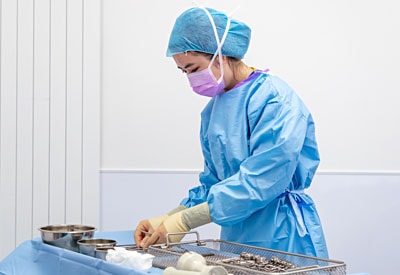 Are you interested in working alongside leading Specialists in veterinary medicine? Look no further than our rotating internship programme. We're thrilled to offer one-year rotating internships at our multi-disciplinary referral hospital.
Our internships provide the ideal opportunity for career development and can pave the way for small animal residencies and other postgraduate programmes. Our programme is also perfect for those looking to return to general practice with an unparalleled experience.
All our interns have a veterinary degree and at least one year of postgraduate experience in a small animal practice and are registered with the Royal College of Veterinary Surgeons (RCVS).
Our programme is tailored for highly motivated veterinary surgeons seeking to expand their clinical knowledge, skills and experience under the guidance of our supervising experts. You'll work in a multi-disciplinary referral hospital, providing emergency out-of-hours service, and have the chance to partake in clinical research, CPD and externships.
We actively encourage intern involvement in journal clubs, in-house Specialist lectures, seminars and small-group teaching. Unlike other programmes, we offer our interns the opportunity to assist our veterinary surgeons and Specialists, not simply observe from the sidelines.
Second-year Specialist internships may be available at the end of your one-year rotation, and we also offer a residency training programme in selected disciplines.
Why join our team?
We are incredibly proud of our state-of-the-art, award-winning, purpose-built hospital, conveniently situated just 300 yards from Junction 60 of the A1. Our location offers the best of both worlds, with breathtaking countryside and pristine beaches just a stones’ throw away. We welcome applicants from both the UK and overseas to join our programme.
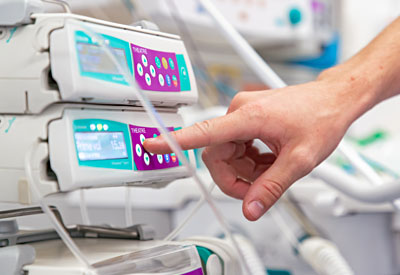 Qualified vets seeking to train as Specialists must first undertake a one-year rotating internship to prepare for their residency training. During their year, they will work alongside residents and Specialists in all departments, caring for in-patients and receiving out-of-hours emergencies. Our interns will participate in an in-house CPD programme, attending talks by Specialists and reviewing publications and also have the chance to prepare and present talks to colleagues.
We are part of Linnaeus, comprising the largest network of Specialist-led referral practices in the UK and Ireland, with over 120 interns and 90 residents working across the group with endless career opportunities. As a company that is part of Mars Veterinary Health, we are committed to excellence and making A BETTER WORLD FOR PETS.
What does a Wear Referrals rotating intern do/what should you expect?
As a rotating intern, you'll provide 24-hour inpatient care in our ICU alongside our Emergency and Critical Care team. Our program offers regular protected time for structured learning, journal club, film reading, and seminars to help you develop your skills and knowledge. Plus, you'll work on a research project, some of which have even been published!
Our interns spend time working alongside our 19 renowned Specialists in various fields, including orthopaedics, soft tissue surgery, neurology, diagnostic imaging, internal medicine, oncology and anaesthesia as well as completing rotations in cardiology and ECC. They experience all aspects of our diagnostics.
“Wear is one of the friendliest places I have ever worked. Its team is like a family. As a Rotating Intern, when I need advice, my questions are welcomed, and I always feel supported by everyone at the hospital.” – Valentina Silic
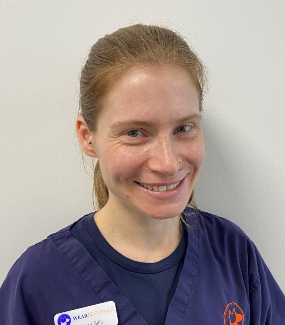
Meet our Rotating Internship Director

Megan Work
RCVS & EBVS European Veterinary Specialist in Small Animal Internal Medicine
Megan graduated from the University of Glasgow in 2017 and subsequently spent two years working in a high-volume small animal practice in Norfolk.
With a strong dedication to Internal Medicine, she pursued an internship followed by a residency in Small Animal Internal Medicine at Willows Veterinary Centre and Referral Service in Solihull, West Midlands.
Upon completing her rigorous three-year specialist training, Megan joined the team our team at Wear Referrals in November 2023.
Shortly after, she successfully passed her board exams, becoming a European Veterinary Specialist in Small Animal Internal Medicine.
Megan's expertise spans all areas of Internal Medicine, with particular emphasis on feline medicine, endocrinology, and immune-mediated diseases.
How else will you benefit?
We take pride in helping you advance in your career at Wear Referrals. Our past interns have had great success pursuing discipline-specific internships and residencies. With plenty of opportunities to take the next step and become a resident, we're committed to helping you become a skilled clinician and advancing your primary care practice career.
Whatever path you choose, you will also benefit from the following:
- Excellent in-clinic training from Specialists in our multi-disciplinary practices
- 1:1 mentoring with a trained mentor within a framework of monthly mentoring sessions
- Regular check-in meetings with the Linnaeus Internship and Residency Manager
- Small group seminar teaching
- Monthly intern film reading sessions
- Professional skills development
- Research skills training
- Support to undertake clinical research
- RCVS Knowledge Library subscription for journal access
- RECOVER online basic and advanced life support training
- Career development workshop
- Unrivalled network of specialist-led referral practices and over 120 Specialist pathway internship and residency training posts
- Access to careers within our network of excellent primary care practices.
Applications for our January 2025 rotating internships programme.
Applications for Summer 2025 open on 16th December.
Want to find out more? Follow the links below.
Subcategories
Page 8 of 13